Gluten-Free Brownie
A Gluten-Free Brownie is a rich chocolate dessert made without traditional wheat-based ingredients. It offers the familiar combination of deep cocoa flavor, a soft center, and a satisfying chocolate texture while providing an option for diners who prefer or need to avoid gluten.
For anyone exploring gluten-free dessert choices on the Mellow Mushroom menu, a gluten-free brownie can be an appealing way to finish a meal. Brownies are naturally suited to chocolate lovers because their dense texture and intense cocoa flavor make them satisfying even when served as a relatively simple dessert.
Whether we are looking for a sweet treat after pizza, searching for a gluten-free dessert, or simply craving something chocolatey, understanding the ingredients, texture, calories, allergens, and serving considerations can help us make an informed choice.
What Is a Gluten-Free Brownie?
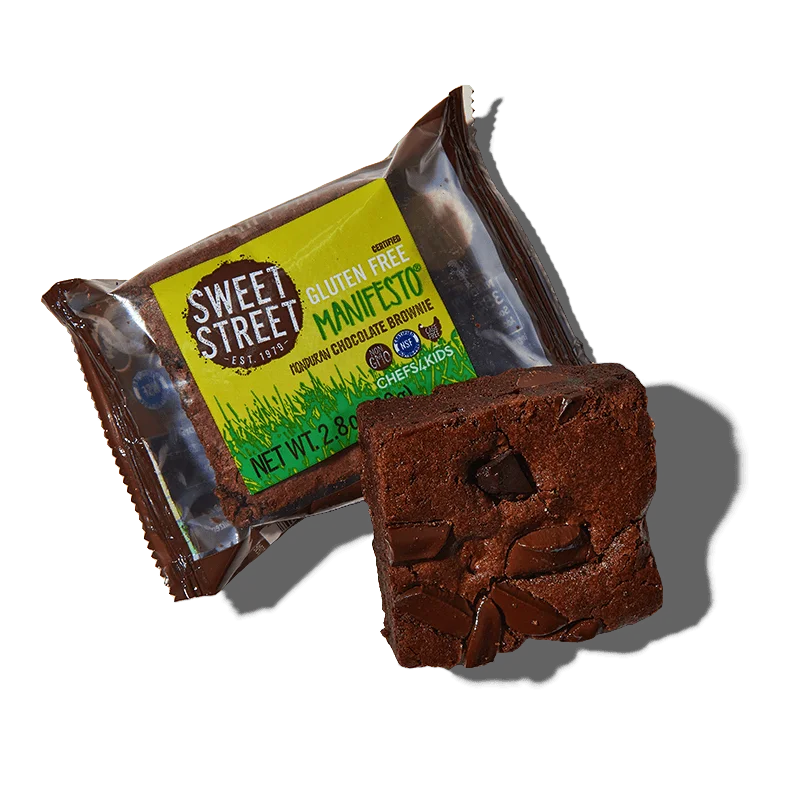
A gluten-free brownie is a brownie prepared without gluten-containing ingredients. Traditional brownies may use wheat flour, but gluten-free versions replace conventional flour with an alternative formulation designed to provide the structure needed for a soft, dense dessert.
The defining characteristic is the absence of gluten-containing ingredients in the recipe. However, diners with celiac disease or a medically necessary gluten-free diet should consider preparation procedures as well as the ingredient list.
A brownie can contain many familiar dessert components, including chocolate, cocoa, sugar, eggs, butter, and a flour alternative. The exact formulation depends on the restaurant and recipe.
Gluten-Free Brownie Ingredients
The precise ingredients can vary according to the recipe and restaurant, so the current menu and allergen information should always be checked before ordering.
A typical gluten-free brownie may include ingredients such as:
- Chocolate or cocoa
- Sugar
- Butter or another fat
- Eggs
- Gluten-free flour or another flour substitute
- Chocolate chips or chocolate pieces
- Flavoring such as vanilla
- Salt
These ingredients work together to create the characteristic brownie texture.
Chocolate supplies the main flavor, while sugar contributes sweetness. Fat helps produce richness and tenderness, and eggs can provide structure. A gluten-free flour blend or alternative ingredient can provide the framework normally supplied by wheat flour.
What Does a Gluten-Free Brownie Taste Like?
A good gluten-free brownie should still deliver the rich chocolate flavor associated with a traditional brownie.
The center can be soft and dense, while the outside may offer a slightly firmer texture. The exact balance depends on the recipe, baking time, ingredients, and serving temperature.
Chocolate remains the dominant flavor, while sweetness balances the natural bitterness of cocoa. If the brownie contains chocolate pieces or chips, these can create additional pockets of chocolate flavor throughout the dessert.
The result is a dessert that focuses on rich chocolate flavor, sweetness, and a soft brownie texture rather than relying on complicated toppings.
Why Choose a Gluten-Free Brownie?
There are several reasons diners may choose this dessert.
For people avoiding gluten, it provides a potential alternative to conventional flour-based desserts. It can also be attractive to chocolate lovers who simply want a dense, rich dessert after a meal.
A brownie is particularly convenient because it is easy to portion and share. One serving can provide a satisfying sweet finish without requiring a large dessert presentation.
For diners who have already enjoyed a savory meal, the contrast between pizza or other savory foods and a rich chocolate dessert can provide a pleasant ending to the meal.
Gluten-Free Brownie for Celiac-Friendly Dining
The term gluten-free is especially important for people with celiac disease or other medically necessary gluten restrictions.
However, customers should not assume that an item is appropriate for every medical dietary requirement simply because its name includes “gluten-free.”
Cross-contact can occur during food preparation, storage, handling, cutting, or serving. For this reason, diners with celiac disease should ask the restaurant about its current procedures.
Important questions can include:
- Is the brownie currently prepared with gluten-free ingredients?
- Is it stored separately from gluten-containing desserts?
- Is it handled using shared equipment?
- Are preparation surfaces shared?
- Are serving utensils shared?
- Does the restaurant have specific allergen procedures?
- Can staff provide current allergen information?
These questions are particularly important when even small amounts of gluten need to be avoided.
Is a Gluten-Free Brownie Healthy?
A gluten-free label does not automatically mean that a dessert is low in calories, sugar, or fat.
A brownie is still a dessert, and its nutritional profile depends on the amount of sugar, fat, chocolate, and other ingredients used in the recipe.
For that reason, we should distinguish between gluten-free and low-calorie. They describe different characteristics.
A gluten-free brownie may fit comfortably into an overall balanced eating pattern when consumed in an appropriate portion. Individuals following specific nutritional goals should review the current nutrition information when available.
Gluten-Free Brownie Calories
The exact calorie content of a gluten-free brownie depends on its size, ingredients, and serving portion.
Chocolate, sugar, butter, and other ingredients can contribute substantially to the total calories. A larger brownie naturally contains more calories than a smaller portion.
When calculating the calories in a complete meal, we should consider the brownie alongside the main course, sides, beverages, and other desserts.
For accurate calorie tracking, the current restaurant nutrition information should be used rather than relying on a generic brownie calorie estimate.
Gluten-Free Brownie and Allergens
Gluten is not the only allergen diners may need to consider.
Depending on the recipe, a brownie can contain or come into contact with ingredients such as:
- Milk
- Eggs
- Soy
- Nuts
- Peanuts
- Gluten-containing ingredients through cross-contact
The exact allergen profile depends on the recipe and preparation process.
Customers with food allergies should review the current allergen information and communicate their dietary requirements clearly before ordering.
Is a Gluten-Free Brownie Dairy-Free?
Not necessarily.
Many brownie recipes use butter or other dairy ingredients, and chocolate products can also contain milk. Therefore, gluten-free does not mean dairy-free.
Customers who avoid dairy should verify the current ingredient list rather than assuming that a gluten-free brownie is suitable.
Is a Gluten-Free Brownie Vegan?
A gluten-free brownie is not automatically vegan.
Traditional brownie recipes commonly contain eggs and butter, although plant-based recipes can use alternatives.
If we follow a vegan diet, we should check every ingredient, including the chocolate, fat source, and any toppings or sauces that accompany the brownie.
Gluten-Free Brownie Texture
Texture is one of the most important characteristics of a brownie.
A fudgy brownie generally has a dense and moist center, while a more cake-like brownie has a lighter, softer crumb. Some brownies sit between these two styles.
Gluten-free brownies can have their own distinctive texture depending on the flour blend and preparation method.
The goal is not necessarily to make the brownie identical to a wheat-based version. Instead, a well-prepared gluten-free brownie should provide a satisfying chocolate texture in its own right.
Gluten-Free Brownie vs. Traditional Brownie
The primary difference is the flour or flour alternative used in the recipe.
A conventional brownie may use wheat flour, while a gluten-free brownie uses ingredients selected to avoid gluten.
The chocolate flavor can remain very similar because cocoa, chocolate, sugar, butter, and other core brownie ingredients can still provide the familiar flavor profile.
The texture may differ slightly depending on the gluten-free formulation.
For diners who need to avoid gluten, the most important consideration is whether the recipe and preparation process meet their dietary requirements.
How to Order a Gluten-Free Brownie
Ordering a gluten-free dessert can be simple when we know what information to check.
Check the Current Menu
Restaurant recipes can change, so we should review the current menu before ordering.
Confirm the Ingredients
If we have allergies or dietary restrictions, we should check the complete ingredient information.
Ask About Cross-Contact
Customers with celiac disease or severe gluten allergies should ask about preparation and handling procedures.
Check Portion Size
The serving size affects the number of calories consumed. A smaller portion can provide a sweet finish while making calorie tracking easier.
Review Additional Toppings
Ice cream, sauces, whipped cream, nuts, or other toppings can change the nutritional and allergen profile of the dessert.
Best Way to Enjoy a Gluten-Free Brownie
A gluten-free brownie can be enjoyed on its own or paired with other dessert components, depending on the restaurant’s available options.
The rich chocolate flavor makes it particularly suitable as an after-dinner dessert. A warm brownie can also create a pleasant contrast when paired with something cool and creamy.
When adding toppings, we should consider that sauces, ice cream, and other additions can significantly change the calories and allergen profile of the original dessert.
For a simple chocolate experience, enjoying the brownie on its own allows the cocoa and chocolate flavors to remain the focus.
Gluten-Free Brownie for Chocolate Lovers
For chocolate enthusiasts, brownies offer an appealing combination of richness and simplicity.
Unlike a fruit-based dessert, a brownie focuses almost entirely on chocolate, sweetness, and texture. This makes it an easy choice when the goal is a satisfying chocolate dessert.
The dense texture can also make a relatively small serving feel substantial.
For diners who have already enjoyed a savory meal, a chocolate brownie can provide a distinctly sweet contrast to finish the experience.
Frequently Asked Questions
What is a gluten-free brownie?
A gluten-free brownie is a brownie prepared without gluten-containing ingredients. It uses a suitable alternative to traditional wheat-based flour while maintaining the rich chocolate characteristics associated with brownies.
Does gluten-free mean the brownie is healthy?
No. Gluten-free describes the absence of gluten-containing ingredients, not the total calorie, sugar, or fat content. A gluten-free brownie can still be a rich dessert.
Does a gluten-free brownie contain dairy?
It can. Many brownie recipes use butter, milk, or chocolate containing dairy. The current ingredient information should be checked if dairy avoidance is required.
Is a gluten-free brownie vegan?
Not necessarily. Eggs and dairy ingredients may be present. Vegan diners should confirm the complete recipe before ordering.
How many calories are in a gluten-free brownie?
Calories depend on the recipe and serving size. For accurate information, the latest nutrition information from the restaurant should be checked.
Can people with celiac disease eat a gluten-free brownie?
A brownie made with gluten-free ingredients may be suitable in some circumstances, but customers with celiac disease should also confirm the restaurant’s preparation and cross-contact procedures.
Does a gluten-free brownie taste different?
The taste can be very similar to a traditional brownie, especially when the recipe contains plenty of chocolate. Texture can vary depending on the gluten-free ingredients used.
Tips for Gluten-Free Dessert Ordering
When ordering a gluten-free dessert at a restaurant, we can make the process easier by following a few basic steps.
Ask specific questions. Instead of simply asking whether something is gluten-free, ask about ingredients and preparation.
Check current information. Restaurant menus and recipes can change.
Mention allergies clearly. If gluten avoidance is medically necessary, communicate this clearly to restaurant staff.
Consider toppings separately. A gluten-free brownie can become unsuitable for a particular diet if an added topping contains a restricted ingredient.
Think about portion size. Dessert portions can vary, so portion size matters when monitoring calories.
Final Thoughts on Gluten-Free Brownie
The Gluten-Free Brownie provides a chocolate-focused dessert option for diners who want to avoid traditional gluten-containing ingredients. Its appeal comes from the classic qualities associated with brownies: rich chocolate flavor, sweetness, a soft or dense texture, and a satisfying finish to a meal.
For gluten-sensitive diners, the most important step is confirming the current ingredients and preparation procedures. A gluten-free recipe and safe handling practices are both relevant when gluten must be strictly avoided.
Nutrition-conscious diners should also remember that gluten-free does not automatically mean low-calorie or low-sugar. Checking current nutrition information and considering portion size can help create a meal that fits individual dietary goals.
Whether enjoyed after pizza, shared with friends, or selected as a simple chocolate treat, a gluten-free brownie can be a satisfying way to end a restaurant meal while accommodating a gluten-conscious dining preference.